What Separates Lasting Tile Work from Jobs That Fail in Sutherlin
Why Surface Preparation Determines How Long Tile Stays Put
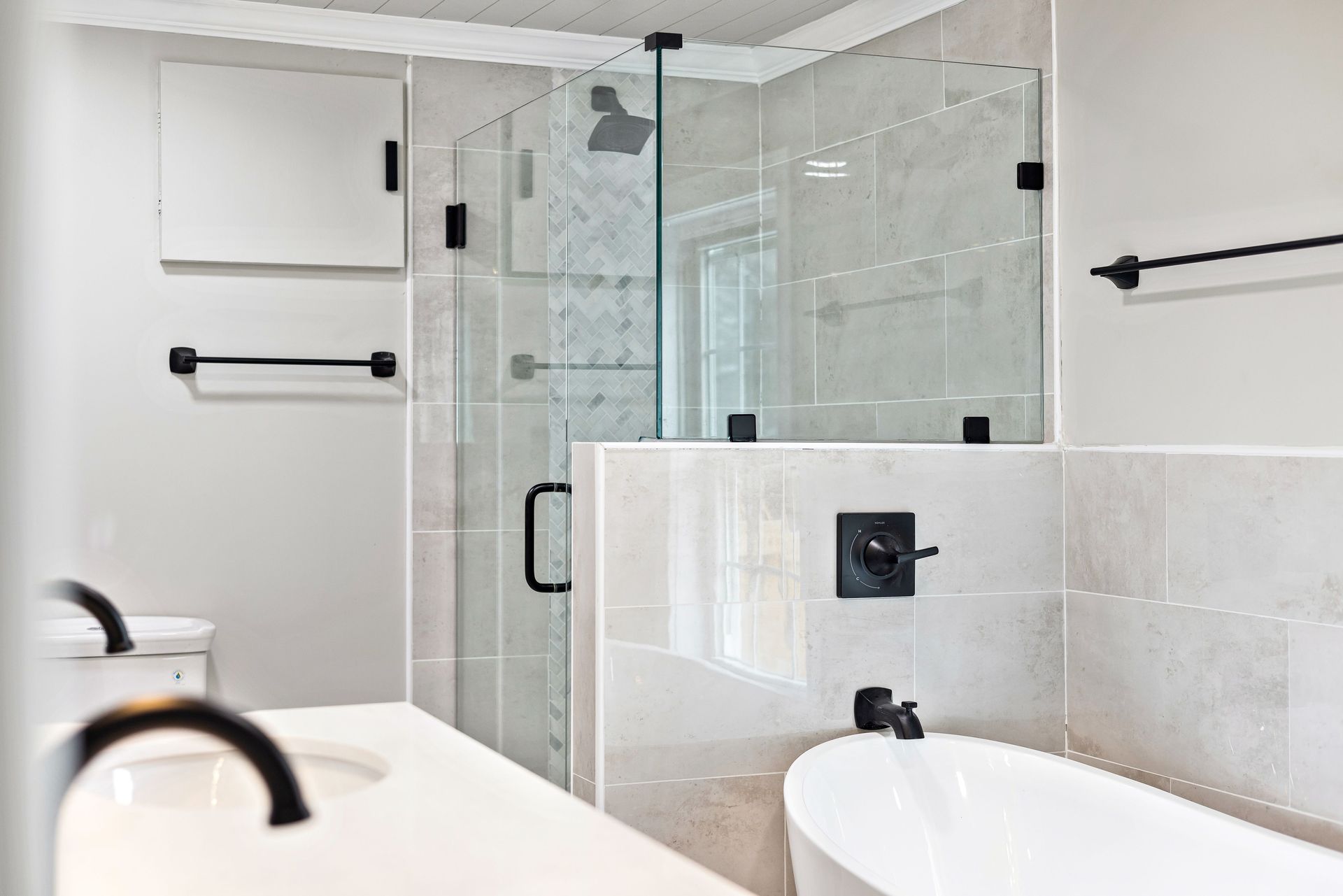
Most tile installation failures in Sutherlin homes don't happen because the tile itself is defective—they happen because the surface underneath wasn't prepared to handle the stress of daily use, moisture cycles, and structural movement. Tile installed directly over drywall in a shower enclosure will eventually allow water to wick through grout lines and soften the paper facing, causing tiles to detach and leaving you with mold growth inside the wall cavity. Tile set over a flexing plywood subfloor without an uncoupling membrane will crack along grout lines as the wood expands and contracts with seasonal humidity changes, which is especially common in older Sutherlin homes without modern HVAC systems that maintain stable indoor conditions. Proper surface preparation means using cement backer board in wet areas, applying waterproofing membranes at shower pans and tub surrounds, and installing crack-isolation underlayment on floors where wood substrate movement is unavoidable.
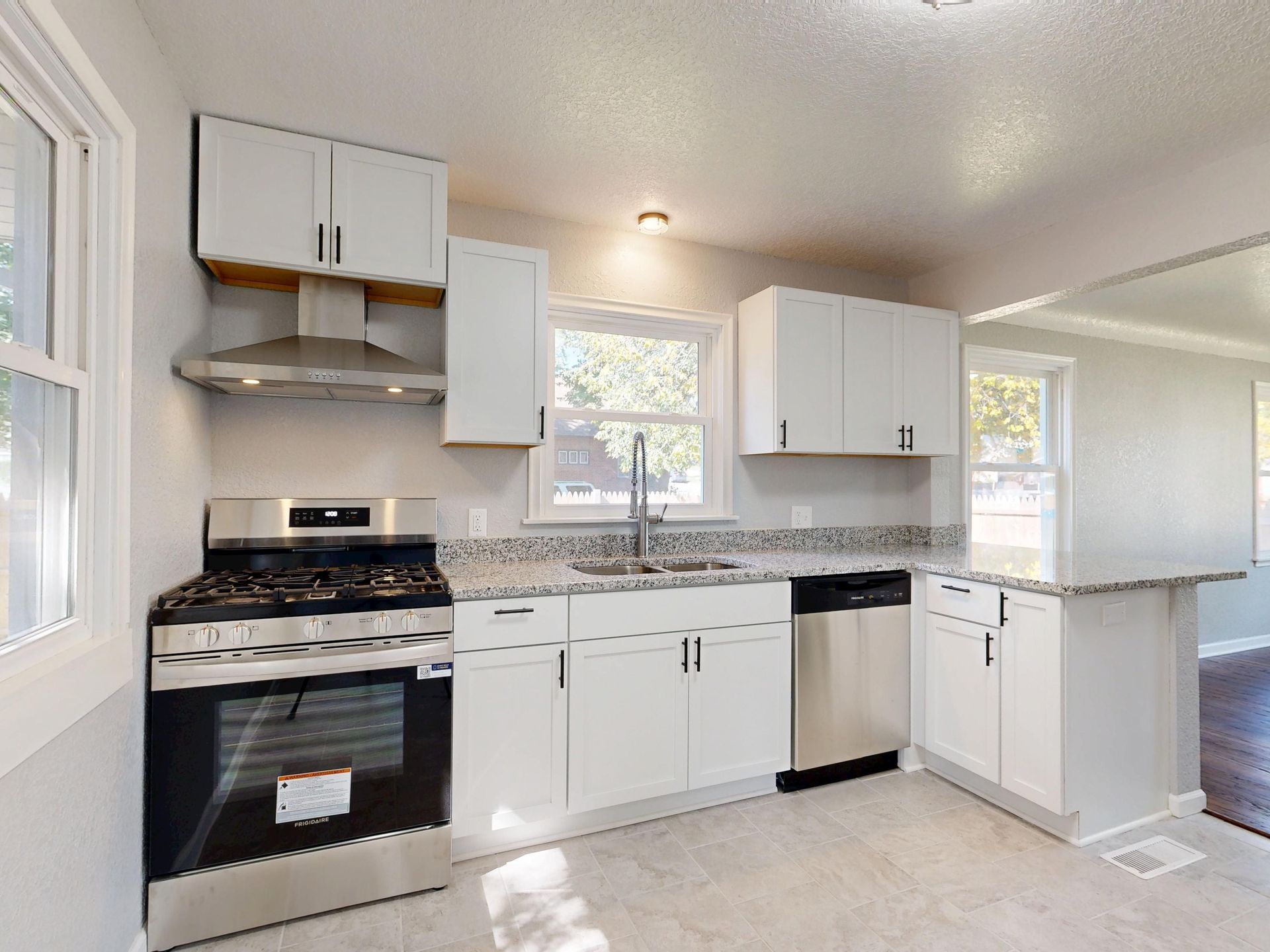
Day Dream Remodel LLC approaches tile installation by addressing what's behind the tile before anything gets set. For bathroom floors and shower walls, that means removing damaged substrate if it's soft or water-stained, confirming that framing is solid and doesn't bounce when you walk on it, and building up a stable assembly that won't telegraph movement into the tile surface. Kitchen backsplashes require less intensive prep because they're not structural and don't see standing water, but the wall still needs to be clean, flat, and primed so thinset bonds properly. The observable outcome is tile that stays flat to the wall or floor without lippage—edges that catch your sock or sponge—and grout lines that remain intact instead of cracking or crumbling within the first year.
Tile Styles and Layout Choices That Affect Maintenance and Appearance
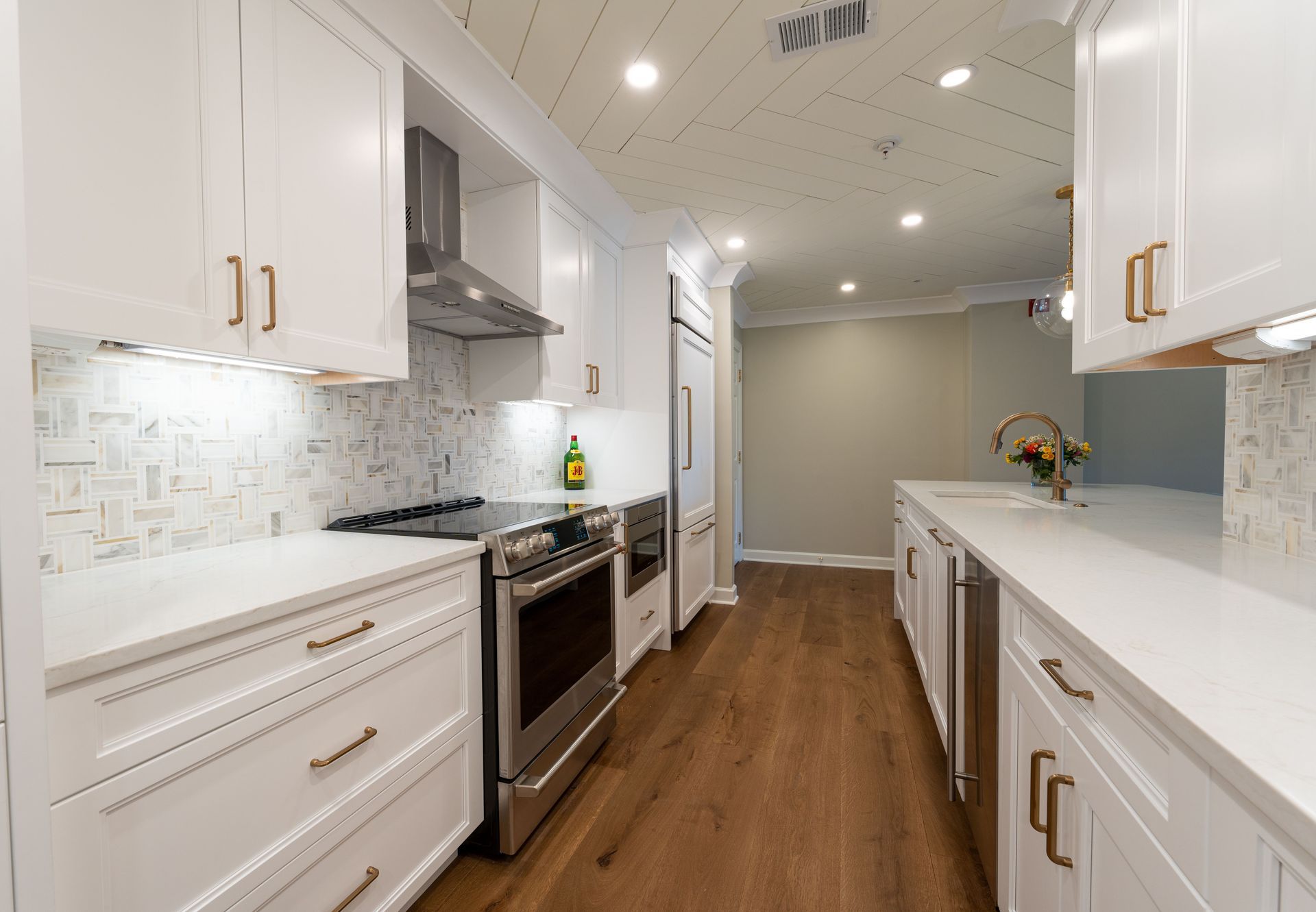
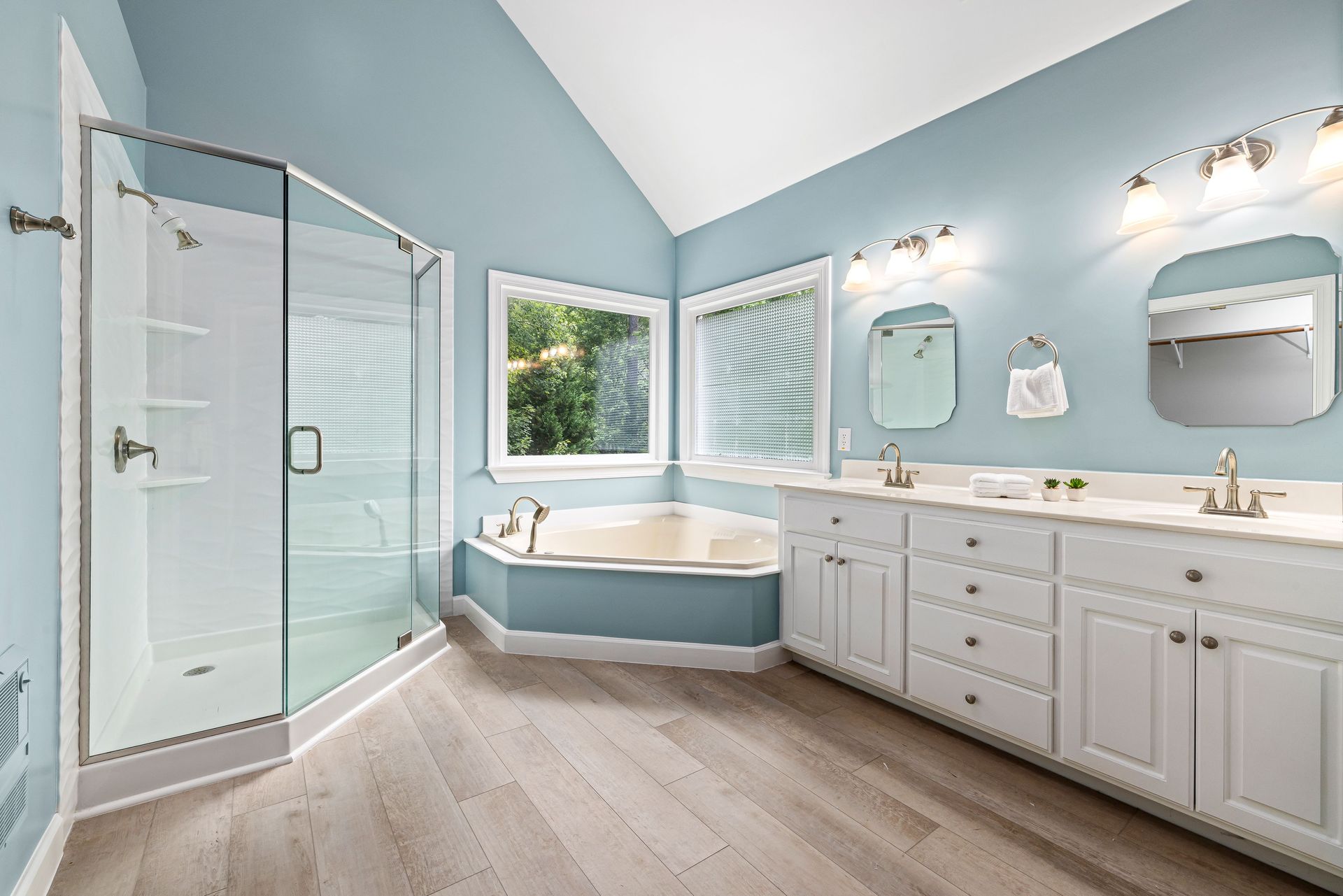
Choosing tile based only on color or pattern misses the functional differences that affect how much cleaning you'll do and how long the installation looks new. Large-format tiles—12x24 inch or bigger—have fewer grout lines, which means less scrubbing and fewer places for mildew to grow in a shower, but they require flatter substrate prep because any dip or hump in the surface becomes visible as lippage between tiles. Small mosaic tiles offer design flexibility and work well on floors that need slip resistance, but the grout-to-tile ratio is much higher, so you're maintaining more grout. Rectified tiles with razor-straight edges allow for tight grout joints that look clean and modern, while non-rectified tiles with slightly irregular edges need wider joints that are more forgiving during installation but show dirt faster. Matte finishes hide water spots and soap scum better than polished surfaces, but polished tile reflects light and makes small bathrooms feel larger.
Layout decisions change the visual proportions of a room: running tile in a brick pattern versus stacked grid, orienting rectangular tile vertically to make walls feel taller or horizontally to widen narrow spaces, using contrasting grout to emphasize the pattern or matching grout to blend it. Installation technique shows in consistent grout joint width, tiles that align across transitions like doorways, and cuts that land symmetrically rather than leaving a skinny sliver at one end. Durability comes from using the right thinset for the substrate and tile type—modified thinset over cement board, unmodified over waterproofing membranes, large-tile mortar for anything over 15 inches to prevent voids under the tile that lead to cracking. Quality workmanship means tiles don't sound hollow when tapped, corners meet without chipped edges, and the finished surface drains toward the drain without puddles collecting in low spots.
If you're planning tile installation in Sutherlin for floors, backsplashes, or shower enclosures, contact the team to discuss layout options and schedule a consultation.
What to Evaluate Before Tile Installation Begins
Tile projects that stay on schedule and avoid costly rework start with clear decisions about materials, layout, and site conditions. Organized project planning prevents surprises halfway through installation.
- Substrate condition checked for deflection, water damage, and fastener security before any tile is ordered or delivered
- Tile style selected based on where it's going—high-traffic floors need different durability than decorative backsplashes
- Layout planned so cuts land in less visible areas and patterns align at focal points like shower valves or range hoods
- Grout color chosen to either hide or highlight the tile pattern, with sealers specified for areas exposed to moisture or staining
- Transition details decided before installation, including where tile meets hardwood, carpet, or different tile in adjacent rooms
Easy maintenance results from proper slope in showers so water doesn't pool, sealed grout that resists mildew, and tile selected for slip resistance in wet areas. Design flexibility means you can combine multiple tile types—wood-look plank tile on floors with subway tile on walls—as long as the installation accounts for different expansion rates and setting materials. The result is tile that looks professionally installed because lines are straight, patterns are centered, and every cut is clean. Contact Day Dream Remodel LLC for a consultation on tile installation in Sutherlin that's built to last.